Mycotoxin Cleaning & Mold Fogging Treatments

Fine Particle Mycotoxin Treatment & Mold Fogging
Specialized remediation for mold-sick patients and CIRS recovery.
Most mold remediation stops at the mold itself. But for clients who need fine particle mycotoxin treatment and mold fogging, standard remediation isn’t enough. Mycotoxins are invisible, odorless toxic compounds produced by certain mold species — and due to their sticky, gel-like nature, they persist in a home long after visible mold has been removed.
Mold Services provides specialized mycotoxin treatment and enzyme fogging for clients who need remediation that goes all the way, including those recovering from mold-related illness and CIRS.


What are Mycotoxins?
Mycotoxins are small, toxic molecules produced by certain mold species commonly found in water-damaged homes and buildings. Unlike mold spores, mycotoxins are chemical compounds — which means they behave differently, travel differently, and require different treatment methods to eliminate. They can be inhaled, absorbed through the skin and mucous membranes of the eye, or ingested through contaminated food. They accumulate in the body over time.
Mold and mycotoxin exposure has been linked to a wide range of chronic health conditions including CIRS, fibromyalgia, chronic fatigue syndrome, neurological symptoms, and autoimmune disorders. For people with the HLA gene variant ,which is estimated at 25-28% of the population, the body cannot adequately clear mycotoxins, making environmental cleanup a critical part of recovery. Most remediation companies don’t test or treat for mycotoxins. We do.
Common Molds that Produce Mycotoxins
Not all molds produce mycotoxins, but the species that do are among the most serious we encounter. Identifying which common molds are present — and what they produce — is essential to designing an effective treatment protocol.


Chaetomium is a common indoor mold found in water-damaged drywall and cellulose-rich materials, producing chaetoglobosins linked to neurological damage and immune disruption. It frequently grows alongside Stachybotrys and is often missed by standard testing.
Chaetomium symptoms include brain fog, memory difficulties, mood changes, and immune dysfunction. In cases of prolonged exposure, more serious systemic illness can develop — with immunocompromised individuals at significantly higher risk.
Penicillium is one of the most commonly found and most frequently underestimated indoor molds. It spreads quickly, produces mycotoxins including mycophenolic acid and citrinin, and its lightweight spores become airborne easily — making it a significant indoor air quality concern.
Penicillium symptoms include kidney toxicity, respiratory inflammation, allergic responses, and immune disruption. In sensitive individuals, even relatively low concentrations can trigger significant neurological and respiratory symptoms.
Aspergillus produces some of the most well-studied mycotoxins in existence — including aflatoxin B1, a class 1 carcinogen, and ochratoxin A, associated with kidney damage and immune suppression. Aspergillus is found across a wide range of indoor environments and is a particular concern for immunocompromised individuals. Although aspergillis is also found outdoors, elevated indoor levels often indicate a mold problem.
Aspergillus symptoms include respiratory illness, chronic sinus infections, kidney and liver stress, and immune suppression. Ochratoxin accumulates in tissue over time, making ongoing exposure especially damaging for those with detoxification challenges.
Stachybotrys chartarum — known colloquially as black mold — produces trichothecenes, among the most potent mycotoxins found in indoor environments. Stachybotrys thrives on cellulose materials that have been wet for extended periods and is a serious finding in any home assessment.
Stachybotrys symptoms include respiratory distress, chronic sinus issues, immune suppression, and neurological effects. People with the HLA gene variant may experience severe systemic reactions even at relatively low exposure levels.
Mycotoxin treatments are necessary because standard remediation — containment, removal, HEPA filtration — addresses mold growth and spores but not the chemical compounds they leave behind. Mycotoxins bind to surfaces, penetrate porous materials, and persist in dust throughout a home even after the mold colony has been removed. For clients with mold-related illness, our mycotoxin treatment protocols address what standard remediation leaves behind.
Our Mycotoxin Remediation Protocol
Our mycotoxin remediation protocol begins with the right testing — LC-MS (Molecular analysis using Mass Spectrometry) mycotoxin testing to confirm exactly what’s present. From there we develop a customized treatment plan using non-toxic, plant-based botanical enzyme products that hydrolyze mycotoxins at the molecular level. Every protocol is documented, every result is verified, and every plan is tailored to the individual client’s health situation.


We work directly with functional medicine physicians, naturopaths, and integrative health practitioners treating CIRS patients. We understand that environmental remediation is one piece of a larger treatment picture, and we communicate clearly with referring providers to ensure our work supports your patient’s recovery — not complicates it.
Our Mold Fogging Treatment
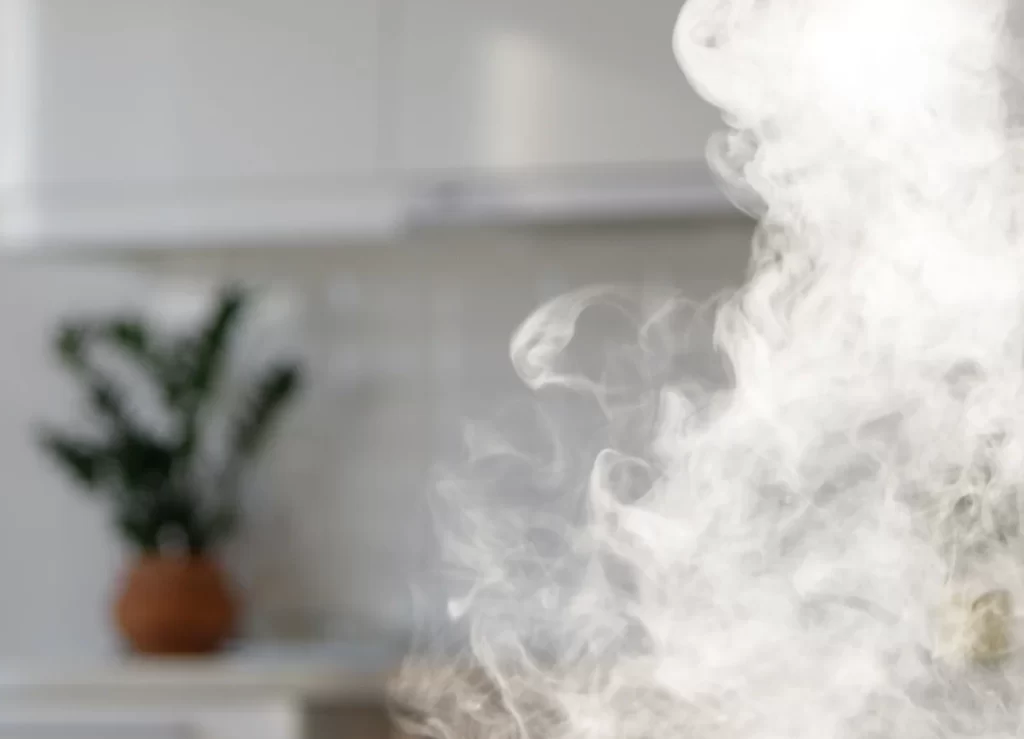
Our mold fogging treatment delivers non-toxic, plant-based enzyme solution in a fine mist that reaches surfaces, air spaces, and fine particles that manual cleaning cannot access.


Talk to a Mycotoxin Specialist
If you or someone in your home is dealing with unexplained chronic symptoms, a recent mold-related diagnosis, or a living environment you’re not sure is safe — we’re here to help. Our team works with some of the most complex mold and mycotoxin cases in the country, and we’ll give you a straight answer about what your situation requires.
- contact@moldservices.com
- (719) 599-4221
Mycotoxin and Fogging FAQs
Answers to common questions about mycotoxins and the fogging methods used to eliminate these harmful fungal compounds.
Yes — when the right product is used correctly. The botanical enzyme solution we use has been proven to hydrolyze mold spores and mycotoxins at the nano-particle level, reaching areas that manual cleaning cannot. Fogging is most effective as part of a comprehensive remediation protocol rather than a standalone solution for significant contamination, and we'll tell you honestly which approach would be best for your situation.
The fogging solution we use is plant-based, non-toxic, and safe for people and pets. Unlike many conventional fogging products that use harsh biocides or chemical disinfectants, our botanical enzyme formula is designed with health-sensitive clients in mind. We've used it with some of the most chemically sensitive individuals in the country without issue.
Mycotoxin treatment and fogging costs vary depending on the size of the space, the level of contamination, and whether fogging is being performed as part of a full remediation or as a standalone service. Every situation is different. Call us or reach out through our contact form and we'll talk through your specific situation.
Mycotoxins are produced by certain mold species as a byproduct of their metabolic activity, particularly under conditions of stress or competition. In indoor environments, they are most commonly associated with water-damaged building materials, though they can also be present in food, dust, and HVAC systems. Because they are chemical compounds rather than living organisms, they don't “die” when the mold is removed — which is why specific mycotoxin treatment is necessary.
"Black mold" is a colloquial term most commonly associated with Stachybotrys chartarum, a species that produces trichothecene mycotoxins and typically appears dark green or black in color. While Stachybotrys is among the more dangerous molds found in homes, color alone doesn't determine toxicity — many equally dangerous molds are white, green, or gray. Proper mold testing is the only reliable way to identify what species are present and what mycotoxins may be in your environment.
Have more questions? We’re here to help.